The Story of the PIP Scandal Chapter5
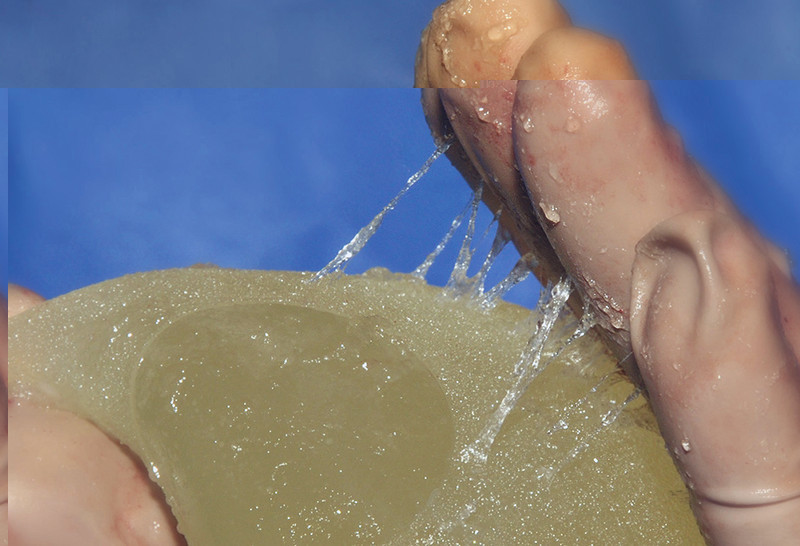
The ”formula is perfect” Mas told police. “It’s better than the formula for making NuSil.”
As told by Reuters in a special report in 2012 with additional contributions as credited
Chapter Five

In May 2012, months after the PIP scandal had erupted around the globe, the FDA produced a publication listing a number of UNSAFE & INEFFECTIVE devices approved in Europe with a CE Mark. The FDA also criticised the European system of regulation for relying on wealthy, private businesses operating in the interests of its stakeholders sparking a row with the European Commission. Confidentiality clauses make it possible to approve devices without any public transparency about the raw materials or manufacturing process, without any product checks, or access to safety evidence relied upon to certify the product. PA
“On paper, PIP said it used NuSil, a silicone blend made by a California company. NuSil was founded by PIP’s former U.S. distributor, Donald McGhan, who was in jail at the time of the Reuters report serving an 8-10year sentence in Texas. McGhan was convicted for fraud.
NuSil is still in business under the ownership of Avantor which boasts large pharmaceutical and medical devices companies as clients. Avantor has huge debts and in 2019 was looking forward to making vast profits before the “economy slowed”. PA
PIP was using Mas’ own non-approved gel in place of NuSil and manufacturing techniques. PA
My ”formula is perfect,” Mas told police. “It’s better than the formula for making NuSil.”
Reuters 2012
Mas concealed the implants’ ingredients. TÜV Rheinland’s negligence and flaws in Europe’s regulatory system gave him a helping hand.
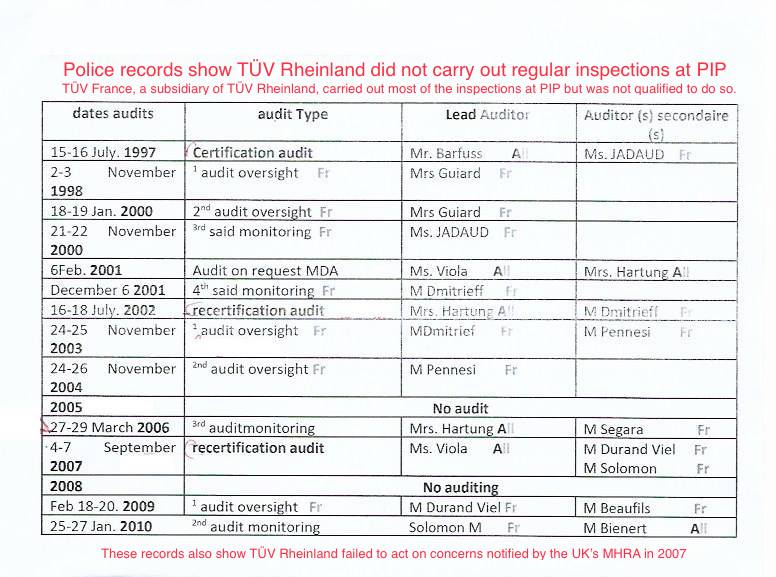
TÜV Rheinland, the agency that certified PIP’s implants, is actually a private company, based in Germany. TÜV Rheinland first approved PIP’s saline implants in 1997. Its officials were meant to pay annual visits to the factory in La-Seyne-sur-Mer. TÜV Rheinland tasked it’s French subsidiary with the inspections. TÜV France did not have access to the regulatory Technical Files to make checks against. The files were at TÜV Rheinland headquarters in Germany.
All the inspections were conducted with advance warning, most by unqualified auditors, that gave PIP plenty of opportunity to operate virtually in plain sight. Police records show annual inspections weren’t made and critical concerns raised in 2007 by the UK’s medicines and medical devices regulator, MHRA were ignored.
TÜV Rheinland sued PIP in February 2011, saying PIP had tarnished its reputation by using TÜV’s name to market sub-standard products and that it had been systematically misled.